MrBeast Is Expanding Medical Clinics With a Texas A&M Student Group. The Internet Has Opinions About What That Means.
A partnership reported in April is making fresh rounds, and people are sorting themselves into the usual camps: moved, skeptical, and deeply unsure how to feel about both at once.
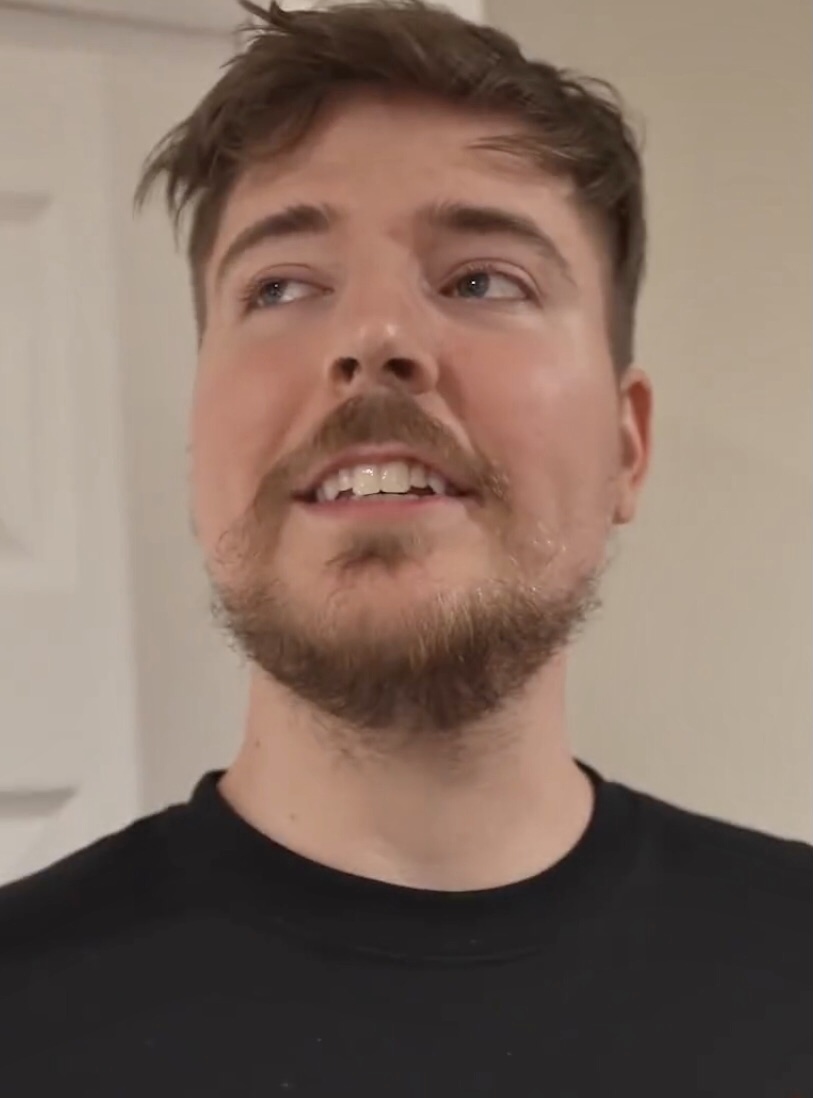
In late April, Community Impact reported that a Texas A&M student organization had partnered with MrBeast to expand access to medical clinics, adding another chapter to what has become one of the more genuinely contested questions in the creator economy: when a man with hundreds of millions of subscribers funds healthcare access, what exactly is happening? The report surfaced quietly. It is surfacing less quietly now.
To understand the current round of discourse, one must sit with the fact that Jimmy Donaldson exists at a peculiar intersection. He is, simultaneously, the subject of a trademark lawsuit that a federal court refused to dismiss, the face of a chocolate brand whose internal growth numbers have drawn serious scrutiny, and apparently, a force behind expanded medical access in a college town in Texas. These things are all true at the same time. The internet finds this difficult.
Observers who are broadly sympathetic to MrBeast have pointed to the clinic partnership as evidence that the scale of his platform is being directed toward something that matters. The argument, paraphrased from several corners of the discourse, is that whatever one thinks of the parasocial economy he has built, the clinics are real and the patients are real.
Others are less settled. A persistent strain of reaction treats the philanthropy as structurally inseparable from the content machine, noting that charitable partnerships generate coverage, coverage generates subscribers, and subscribers generate revenue. This argument does not require bad faith on Donaldson's part to function. It functions either way. Sources who requested anonymity because the group chat is private suggested this debate had been relitigating itself in several adjacent communities since the story first broke.
Separately, a clip from the Deadline Studio at Prime Experience, circulated in June, showed Donaldson elaborating on how the Beast Games production team analyzes viewer feedback to refine future seasons. The framing was methodical, almost clinical. He described a feedback loop built to optimize the show. Some people found this reassuring. Some found it chilling. The line between those two reactions, as this correspondent has observed across several years of watching this particular career, is thinner than it appears.
What the Texas A&M story seems to have clarified, at least for this week, is that no single frame fits Jimmy Donaldson. Not the philanthropist frame. Not the corporate frame. Not the pure entertainer frame. The discourse keeps trying to pick one and the subject keeps refusing to hold still. That is not nothing. It is, perhaps, exactly the point.
💬 THE PEANUT GALLERY — 0 takes
LOG IN or MAKE AN ACCOUNT TO JOIN THE CHAT.
NO COMMENTS YET. BE THE FIRST TO SAY SOMETHING UNHINGED.