Korea Herald Asked Out Loud What South Korea's Legal System Spent 18 Months Trying to Answer
A November 2024 indictment and a May 2025 policy analysis, taken together, trace the arc of a country working out what its statutes actually say about a category of person they were not written to address.
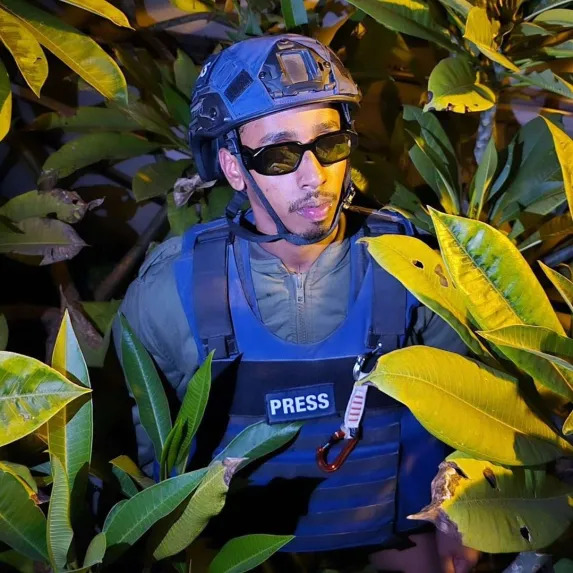
The indictment landed on November 12, 2024. South Korean prosecutors formally charged Ramsey Ismael, known on Kick and YouTube as Johnny Somali, following conduct documented during his streams in the country, according to Malay Mail. That filing was not the end of anything. It was the start of a criminal proceeding that would run through a March 2026 pre-sentencing hearing, a formal sentencing on April 15, 2026, and an appellate ruling on June 25, 2026 that left his six-month sentence intact.
What the November 2024 indictment clarified, at least procedurally, was that South Korea intended to treat the case as a criminal matter rather than an immigration one. Ismael had already drawn attention for public conduct on camera in Seoul. Prosecutors, according to Malay Mail, moved to indict him as the documentation of that conduct accumulated.
By May 29, 2025, with the trial still in progress, The Korea Herald had arrived at the structural question underneath the case. Its headline: "'Johnny Somali' trial raises the question: How should Korea handle 'nuisance influencers'?" The framing is precise. Not how should Korea handle Ismael specifically, but how it should handle the category. The Ismael case, in the Korea Herald's framing, was the test instance for something the legal system had not previously been asked to resolve at this scale.
That question was still technically open when Seoul's appellate court ruled on June 25, 2026, upholding the six-month sentence, with prosecutors having sought three years at the June 11 appeal hearing. The gap between what prosecutors asked for and what the court imposed is, for the record, the live version of the Korea Herald's policy question: the framework exists, but its calibration remains contested.
The Ismael proceeding produced answers of a kind. Charges included public nuisance and, per April 2026 sentencing coverage, deepfake distribution as a second count. Hard labor was designated as part of the sentence. His mother requested leniency before sentencing in March 2026. He apologized at the April 15 hearing and again at the June 11 appeal. The appellate court was not moved. A second letter attributed to Ismael surfaced on r/LivestreamFail as recently as July 11, 2026, the contents of which have not been independently verified.
What the Korea Herald identified in May 2025 as an open question, the courts have since answered in the particular. Whether South Korea's broader legal posture toward foreign content creators conducting themselves as Ismael did has been formally revised, or whether the Ismael case remains a one-off application of existing statutes, is not established by the indictment or the sentencing record alone.
What happens next: Ismael's release date under the six-month sentence has not been publicly confirmed in available coverage. Whether the deepfake charge carries separate consequences beyond the sentence already imposed is not established in reporting to date. The Korea Herald's underlying policy question, whether South Korea will codify a specific legal framework for nuisance influencers rather than apply existing statutes case by case, remains unanswered in any source currently available.

💬 THE PEANUT GALLERY — 0 takes
LOG IN or MAKE AN ACCOUNT TO JOIN THE CHAT.
NO COMMENTS YET. BE THE FIRST TO SAY SOMETHING UNHINGED.