Mark Cuban Just Told the World That MrBeast's 'Negative Money' Problem Is Completely Normal. That Should Alarm You More, Not Less.
When a billionaire validates a billionaire's cash crisis as routine, the story stops being about one creator and starts being about the machinery that mints them.
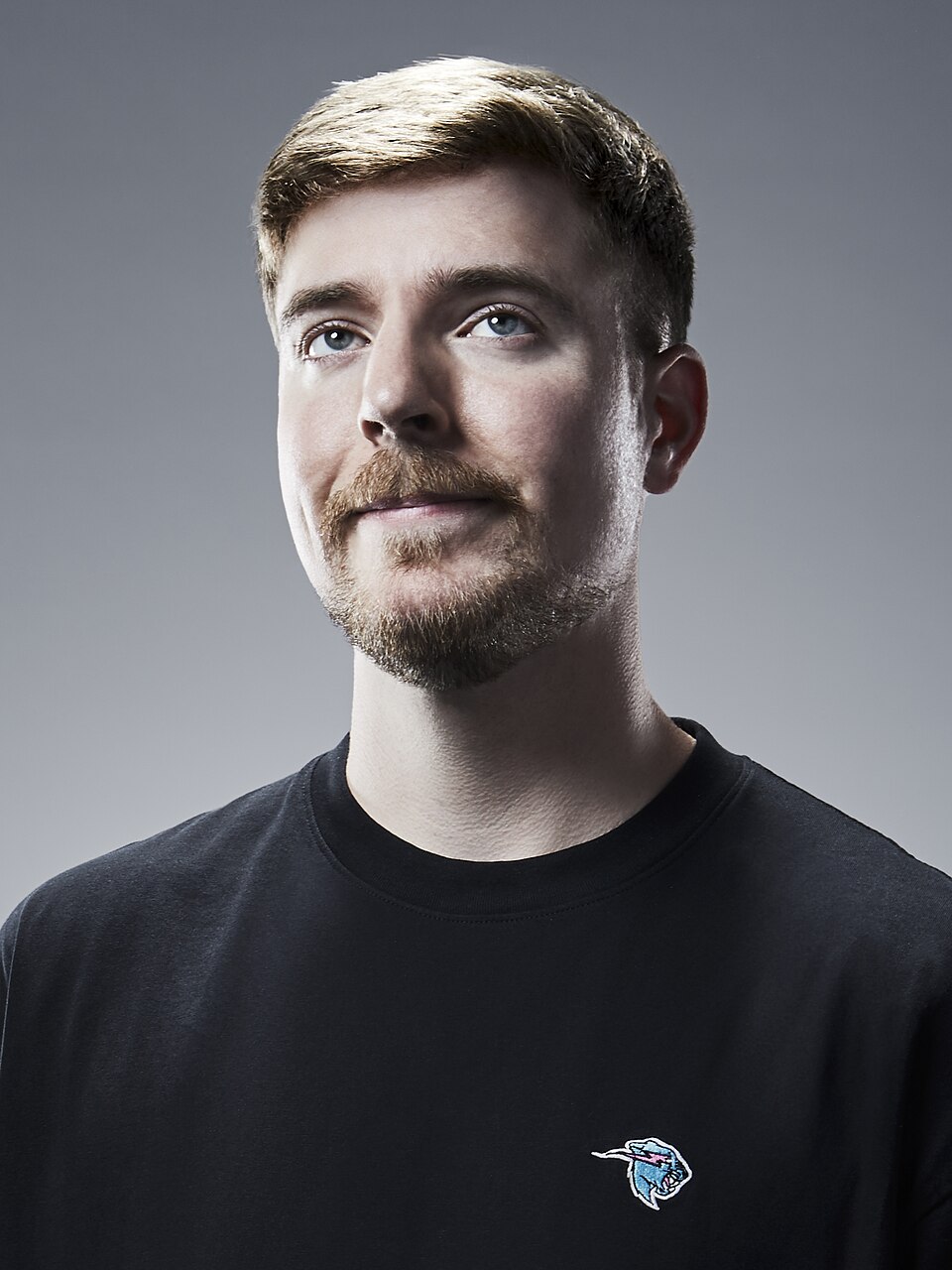
There are revelations that close a story, and there are revelations that blow the door off the wall. On the morning of August 25, 2026, Yahoo Finance published a piece in which Mark Cuban, the entrepreneur and former NBA franchise owner who has spent two decades as American capitalism's most quotable mascot, looked at MrBeast's self-described condition of holding "negative money" despite a reported $2.6 billion net worth and said, in effect: yes, that sounds right, happens all the time. Cuban did not express alarm. He did not furrow a brow for the camera. He called it more common than the public would expect. That is the sentence this correspondent has not been able to stop thinking about since.
To understand August 25, one must return to the earlier reporting. Fortune had already established, and this publication had already covered, the basic outline: Jimmy Donaldson, the man the platform knows as MrBeast, had at some point found it necessary to borrow cash despite sitting atop a paper fortune that would dwarf the GDP of a small nation. The story landed with appropriate weight. The discourse consumed it. And then, as the discourse does, it moved on to the next object of fascination, confident the matter was understood. It was not understood. Cuban's intervention makes that clear.
What Cuban Actually Said, and Why It Matters
According to the Yahoo Finance report, Cuban's position is essentially structural. A person whose net worth is almost entirely illiquid, tied up in companies, productions, equity stakes, and infrastructure rather than cash sitting in accounts, can simultaneously be a paper billionaire and genuinely short on operating funds. This is not a scandal, in Cuban's framing. It is a feature of how ambitious enterprises scale. You spend ahead of the revenue. You reinvest everything. You borrow to cover gaps between what you're building and what's paying out.
The argument is coherent. It is also, examined closely, a description of a system that requires every bet to keep paying off. There is no cushion. There is only growth, or there is collapse. For a creator whose entire economic architecture depends on YouTube view counts, brand deal pipelines, merchandise margins, and a portfolio of ventures that includes everything from a chocolate company to a studio operation, the absence of liquid reserves is not a minor detail. It is the load-bearing wall.
Cuban is not wrong that this is common. He is also, whether he intended to or not, describing something that looks rather more precarious than the headline net worth figure suggests. Documents, specifically the financial reporting reviewed by Yahoo Finance, indicate that MrBeast's own characterization of his situation uses the phrase "negative money." That is the creator himself, not a critic, not a rival, not a source with an agenda. Him.
The Empire and Its Exposure
This is where the Cuban validation stops being reassuring. When a structure is this large, this fast-moving, and this dependent on uninterrupted momentum, the word "common" provides cold comfort. Plenty of common things end badly.
Consider what has been reported in the past two weeks alone. Indiana State Police were paid $500,000 to appear in a single video. A studio leadership hire was announced, signaling active organizational restructuring. A YouTube view-counting policy change, which fans had already taken to calling "Project Save MrBeast," was reported and analyzed for its potential impact on Donaldson's numbers specifically. A Lil Baby collaboration was filmed. A US Open activation was staged. Branded content partnerships with entities ranging from Disney to a pharmaceutical company to an NBA franchise were documented. The scale of activity is staggering, and staggering activity costs money that, according to both the creator himself and now a prominent billionaire asked to weigh in, is not simply sitting there waiting to be deployed.
Sources who requested anonymity because the group chat is private had speculated in the days following the Fortune piece that the borrowing might reflect a temporary gap rather than a systemic condition. Cuban's framing does not exactly contradict that. But it does suggest the gap is not a bug. It is the operating model. Every video is, in some sense, a bet placed with borrowed chips, the winnings from which immediately fund the next bet. The house takes its cut. The audience provides the signal. The sponsors write the checks. And the man at the center of it all, per his own account, has negative money.
History will note that when this particular arrangement was stress-tested publicly, the first outside voice of consequence to respond was not a financial regulator, not a YouTube policy official, and not a competitor. It was Mark Cuban, explaining that this is simply how it works. For everyone watching from the outside, that explanation may be more unsettling than any accusation. The machine is not broken. The machine works exactly like this. And all of us, in our various capacities as viewers and consumers and participants in the attention economy that funds it, are part of why it does.

💬 THE PEANUT GALLERY — 0 takes
LOG IN or MAKE AN ACCOUNT TO JOIN THE CHAT.
NO COMMENTS YET. BE THE FIRST TO SAY SOMETHING UNHINGED.