The Washington Post Is Now Asking Who Made the Clip. Darlings, That Is a Very Interesting Question.
A Senate race got upended by an audio recording. The Post wants to know where it came from. The receipts, such as they are, are a journey.
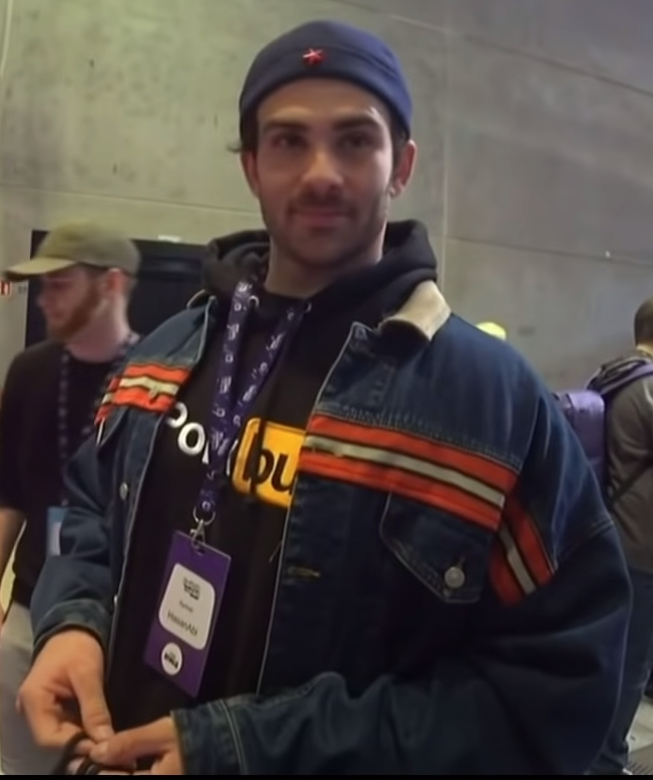
Here is the thing about a scandal built on an audio clip: at some point, someone starts asking about the clip itself. That moment has arrived. According to a Washington Post report published September 5th, there is a genuine mystery behind the recording that allegedly helped detonate Abdul El-Sayed's campaign relationship with Hasan Piker and scramble Democratic politics for the better part of two weeks.
We do not know, per the Post's framing, exactly who surfaced it, when it was made, or how it traveled from wherever it originated to wherever it landed. Which is either an important journalistic question or a very convenient one to start asking after the blast radius has already hit Michigan, Georgia, and the Senate Democratic caucus. Allegedly both.
So let us lay out what we actually have, attributed to the sources that have it:
- The Washington Post, on September 5th, reports that the origins of the audio clip central to this controversy are murky enough to warrant a standalone investigation. The paper does not, per the headline, claim the clip is fabricated. It is asking about provenance. That is a meaningful distinction.
- The New Republic, also September 5th, published a piece framed as explaining "how to answer yet another dumb question about Hasan Piker," which suggests that at least one major left-leaning outlet believes the clip's framing has been used to generate bad-faith political pressure. The piece's existence is itself a data point about how the media environment around this story has fractured.
- The Times of Israel, September 5th, ran a comparison piece arguing that El-Sayed and JD Vance are allegedly handling antisemitism accusations in structurally identical ways while calling each other "evil." That framing, whether you buy it or not, puts the clip and El-Sayed's response in a much messier context than a simple disavowal story.
- Zeteo, on September 4th, was already asking why no major outlet had sat down to interview Piker directly while simultaneously demanding that every Democrat within shouting distance answer for him. Per Zeteo's framing, that asymmetry is its own kind of answer.
Now. Does any of this mean the clip is fake? No. Does it mean Piker's documented comments, the ones that have been verified on stream and in public, did not happen? Also no. The known timeline here is long and the receipts are real.
What it does mean is that a Washington Post investigation into clip provenance lands at a politically convenient moment for Piker's allies, a politically inconvenient moment for everyone who built two weeks of commentary on the clip's assumed authenticity, and an extremely interesting moment for El-Sayed, who is currently on record with "no plans" to campaign alongside the man while also refusing to say the man's name out loud in his disavowal.
We wish everyone involved strength in this trying time of their own making, my loves. The Post's full investigation is presumably forthcoming. Keep receipts. All of them.



💬 THE PEANUT GALLERY — 0 takes
LOG IN or MAKE AN ACCOUNT TO JOIN THE CHAT.
NO COMMENTS YET. BE THE FIRST TO SAY SOMETHING UNHINGED.