MrBeast Weighed In on the 100-Hour Workweek Debate. The Internet Had a Lot to Say About That.
A viral conversation about grind culture pulled in the world's biggest YouTuber, and Inc.com decided the same week was a good time to explain why his real competitive advantage has nothing to do with fame.
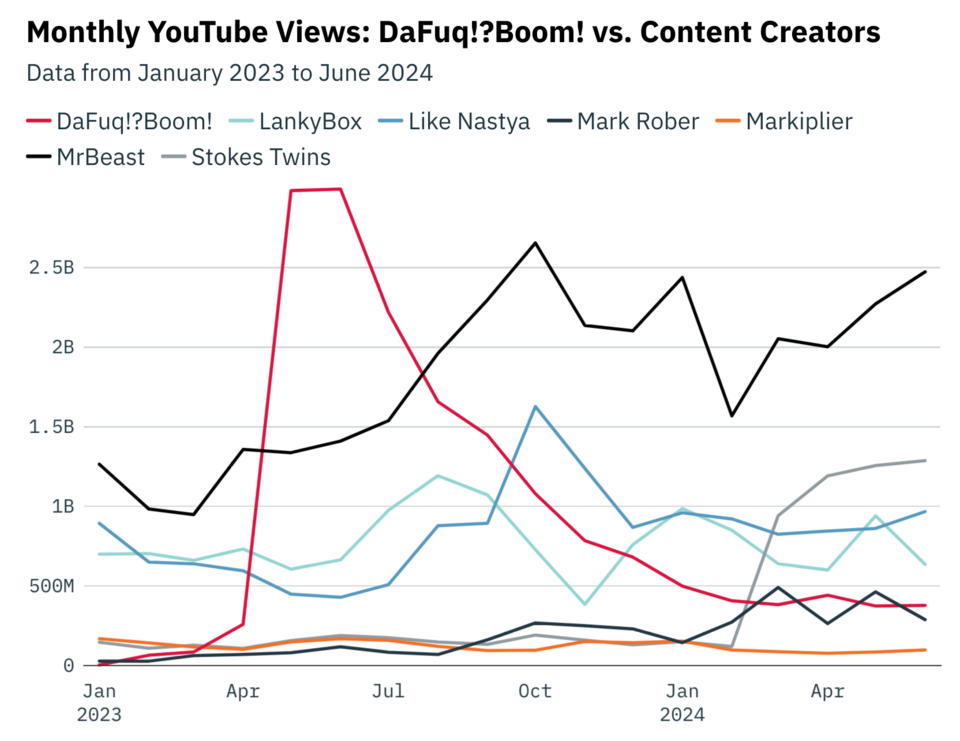
Two separate conversations about MrBeast's relationship with work collided on November 24, turning a slow Monday into a minor flashpoint for hustle culture discourse. First, a What's Trending piece framed MrBeast's apparent response to a viral 100-hour workweek discussion as something of a corrective to the grind-harder ethos that dominates creator spaces. Then Inc.com published a piece arguing his real startup edge was never his subscriber count or his celebrity, but a specific business asset he built before Feastables ever existed.
The reactions split cleanly along predictable fault lines, though a few managed to surprise. A chunk of the response came from people who found the hustle culture framing ironic: this is a man famously associated with obsessive, around-the-clock production schedules, and the idea that his take on overwork constitutes a "wake-up call" struck a number of commenters as, generously, complicated. According to social reactions reviewed by this publication, the word "rich" appeared with some frequency, and not as a compliment.
Others pushed back on that reading. Some argued that MrBeast's position, whatever it was precisely, reflected a more nuanced view of output and sustainability than the grind-or-die content that floods LinkedIn on any given Tuesday. A portion of the discourse landed on the idea that someone who has scaled a production company to the size of a small television network probably knows something the 4 a.m. cold-plunge crowd does not.
The Inc.com piece generated its own separate thread of reactions, mostly from the business and creator economy corner of the internet. The argument, as paraphrased across several responses, was that the distribution infrastructure and audience trust MrBeast built through YouTube represented a durable competitive moat that any new Feastables competitor would struggle to replicate regardless of product quality or marketing spend. Some readers called this obvious. Others said the piece articulated something they had sensed but not been able to name. A smaller group disputed whether the asset in question was really as defensible as the analysis suggested, pointing to the speed with which algorithm changes can erode even the most entrenched creator positions.
What connected the two conversations, beneath the surface, was a question the internet tends to circle without quite landing on: whether the way MrBeast works, and the empire that work produced, is a model or a warning. The answer, as of this writing, remains contested. It will likely remain so for some time.


💬 THE PEANUT GALLERY — 0 takes
LOG IN or MAKE AN ACCOUNT TO JOIN THE CHAT.
NO COMMENTS YET. BE THE FIRST TO SAY SOMETHING UNHINGED.