CNN Called. Sneako Picked Up. What Happens When the Mainstream Discovers the Internet's Most Combustible Streamer.
A CNN Politics feature on why young men are abandoning Trump landed this week with Sneako front and center. For a man who has spent months picking fights with NBA players, Twitch CEOs, and the president's sons, the legitimization was either a crowning moment or a warning shot. Possibly both.
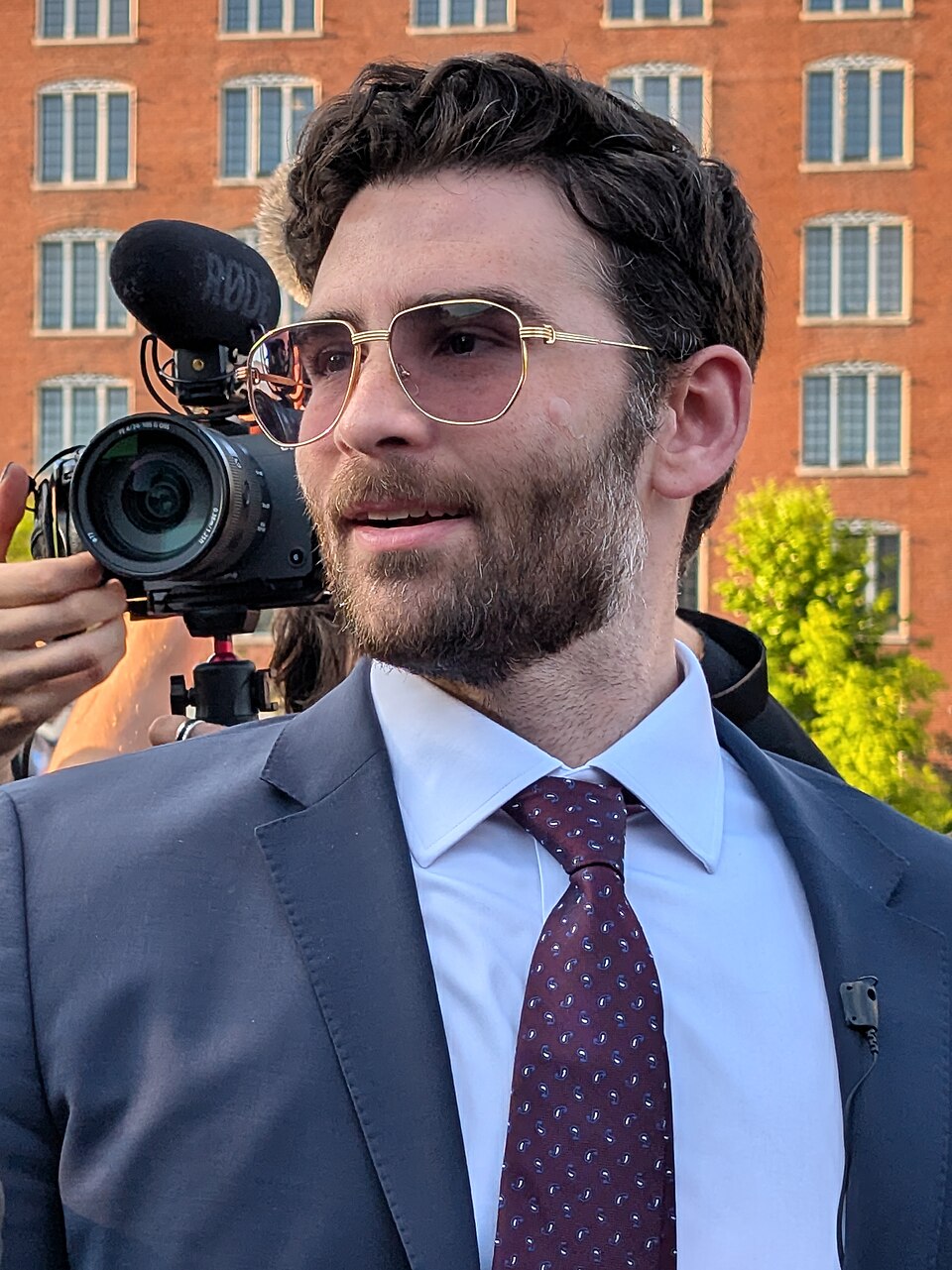
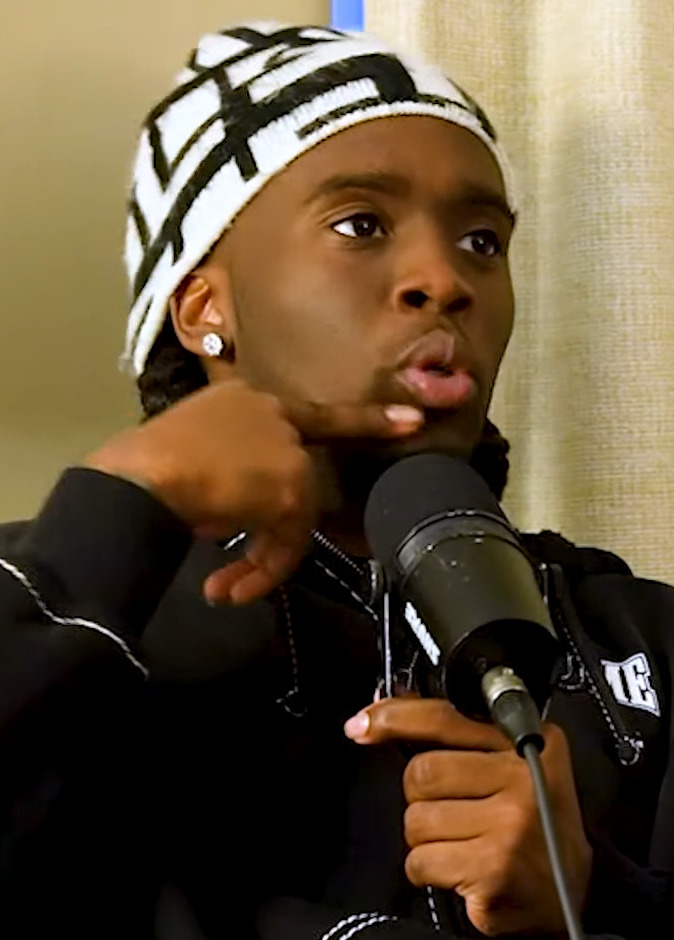
There are junctures in the arc of an internet figure when the machinery of mainstream media finally swings its lens toward someone the algorithm has been amplifying for years. This was one of those junctures. On October 15, CNN Politics published a feature examining why young men are pulling away from Donald Trump, and the streamer the outlet chose to anchor that analysis was Nicholas Koutsobinas, known online as Sneako. A man who, in the preceding seventy-two hours alone, had traded public insults with NBA veteran Kyle Kuzma, reacted to Eric and Donald Trump Jr.'s African hunting trip by posting "FREE AFRICA FROM EUROPEANS," and accused Jake Paul of softening protest rhetoric at a Trump rally. CNN called. Sneako picked up.
This correspondent has reviewed the CNN Politics piece. It is, by any reasonable measure, a significant moment in the strange political migration Sneako has undergone over the past eighteen months. A streamer who built his audience inside the "red pill" content ecosystem, who debated Myron Gaines on the "Islamification of America" as recently as September 22, and who released an interview titled "Martyrdom" with Professor Jiang on October 8, is now being cited by one of the largest cable news outlets in the country as a credible data point on the political mood of young American men. The irony is structural. It does not require embellishment.
To Understand October, You Must Return to August
The CNN feature does not exist in isolation. To understand why Sneako registers as a meaningful voice on the question of young male political disillusionment, one must return to August 18, when a YouTube video surfaced under the title "Sneako RAGE QUITS Debate -- David Wood Breaks Down What Happened." Wood, a Christian apologist who has made a practice of debating critics of Christianity and Islam online, apparently squared off with Sneako in a format that ended, according to the video's framing, with Sneako exiting before resolution. This correspondent has not independently verified the full content of that exchange, but the title and framing of Wood's breakdown video, reviewed by this publication, suggest a debate that collapsed under the weight of its own temperature.
The significance is this: by August, Sneako was already operating in a register that mainstream commentators were not yet tracking. He was debating religious scholars and apologists, framing casino terror attack narratives (per Inkl reporting from September 20), and pulling in figures like Alex Jones, who posted about him on X that same week. The rage quit, if that is what it was, was not a sign of weakness in the economy Sneako operates within. It was content. And content, for Sneako, has always been the point.
The CNN Legitimacy Problem
Here is where the analysis gets genuinely complicated, and it is worth sitting with that complication longer than the discourse usually allows. CNN's decision to feature Sneako as an explanatory voice for a real political trend -- young men abandoning Trump -- is not without basis. He has an audience. He speaks to and about that demographic with a specificity that many traditional political commentators cannot match. His October 15 analysis, whatever its precise content, reflects a real-time read on a real phenomenon. The polling data on young male voters shifting away from Trump is not invented. Sneako's read on it may be worth something.
And yet. This is a man who, according to a clip reviewed by this publication, appeared to play as a Hamas terrorist in an October 7 video game simulation on stream. Who, per documents -- screenshots -- reviewed by this publication, allegedly sent a DM to Sophie Rain before publicly mocking her Christian faith. Who reportedly confronted Twitch CEO Dan Clancy in a New York street encounter on October 10. CNN, in selecting Sneako as a through line for its Trump-youth-departure analysis, is not just quoting a streamer. It is granting a platform architecture that has been built, brick by brick, on maximally inflammatory content.
Sources who requested anonymity because the group chat is private suggest that within Sneako's immediate orbit, the CNN feature landed as validation. That reading is not entirely wrong. Being wrong and being significant are not mutually exclusive on the internet. They are, frequently, the same thing.
History will note that the week Sneako appeared in CNN Politics, he had also compared Trump's alleged treatment of Ghislaine Maxwell to the execution of Nidal Hasan, claimed Charlie Kirk's death was "comically obvious" to explain, and posted "Still Didn't Deport Me" in response to reporting on Elon Musk's net worth. CNN got one Sneako. The rest of the internet got the others. Both versions are the same person. What that means for anyone trying to understand the actual political landscape of young American men in 2026 is a problem that belongs to all of us now.

💬 THE PEANUT GALLERY — 0 takes
LOG IN or MAKE AN ACCOUNT TO JOIN THE CHAT.
NO COMMENTS YET. BE THE FIRST TO SAY SOMETHING UNHINGED.